Psychology & neuroscience
Psychology for everyone
The ideas from psychology that explain why we think, feel and act the way we do. Explained simply, grounded in research and applied to your everyday life.
Latest
You think you keep scrolling because you like what you see. But your brain is hooked on something else: the chance that the next video will be better. The culprit has a name… and it isn't pleasure.
Find out why →
How we think
Mental shortcuts that save us effort… and sometimes fool us.
Cognitive bias · Peter Wason, 1960
We tend to seek out, remember and interpret information that confirms what we already believe, and to overlook information that contradicts it.
In everyday life: when your feed only shows you opinions like yours, it becomes easy to think everyone agrees with you.
Read more →
Metacognition · Kruger & Dunning, 1999
People who know little about a subject tend to overestimate their ability, because they lack the very knowledge needed to spot their own mistakes. Experts, on the other hand, tend to slightly underestimate themselves.
In everyday life: after watching two videos on a topic, it's easy to feel like an expert. The more you learn, the more aware you become of what you're missing.
Read more →
Social psychology · Leon Festinger, 1957
It's the discomfort we feel when our actions clash with our beliefs. To ease it, we often change the belief instead of the behaviour.
In everyday life: "I smoke, but my grandad smoked and lived to 90." The mind looks for justifications to reduce the tension.
Read more →
Social perception · Edward Thorndike, 1920
A single positive quality, such as good looks or friendliness, leads us to credit that person with other virtues we haven't actually checked.
In everyday life: in a job interview, the first impression colours everything that follows.
Read more →
Emotion & behaviour
Why we do what we do, even when we'd rather not.
Motivation · Seligman & Maier, 1967
When someone repeatedly faces situations they can't control, they may stop trying, even once they're able to change things.
In everyday life: "I'm just no good at maths" often grows out of a string of failures, not a real inability.
Read more →
Self-perception · Gilovich, Medvec & Savitsky, 2000
We believe others notice us (our clothes, our mistakes, our appearance) far more than they actually do.
In everyday life: that spot or stumble you're obsessing over? Chances are nobody noticed. Everyone is busy thinking about themselves.
Read more →
Motivation · Abraham Maslow, 1943
Maslow proposed that we tend to basic needs (physiological, safety) before focusing on social needs, esteem and self-actualisation. He didn't draw the famous pyramid, and we now know the order is more flexible than it suggests.
In everyday life: it's hard to think about personal goals when you're not sleeping well or worried about making ends meet.
Read more →
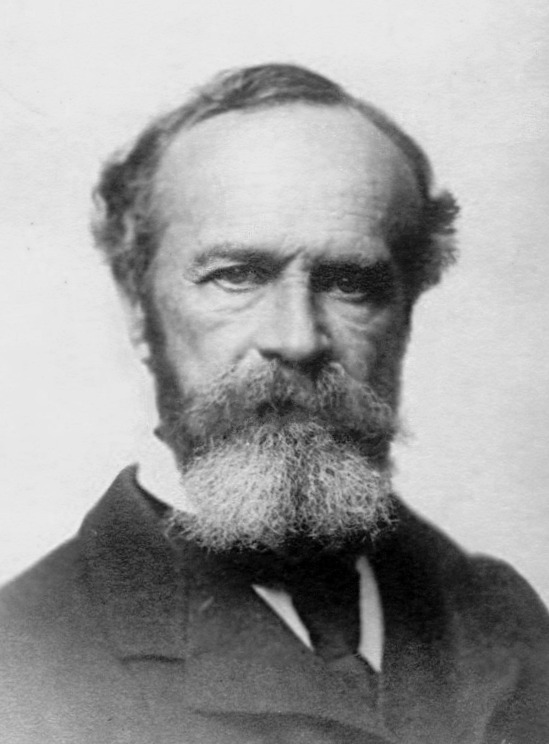
Habits · William James, 1890
William James, the father of American psychology, described habits as pathways the nervous system carves out through repetition. The more we repeat an action, the less conscious effort it takes.
In everyday life: the first few days at the gym are hard. With repetition, going becomes almost automatic.
Read more →
Relationships
How we bond with others, and why we're drawn to the people we're drawn to.
Development · John Bowlby & Mary Ainsworth
The bond we form with our caregivers in childhood creates a "template" for what relationships are like. Secure, anxious, avoidant and disorganised styles are usually described, although they can change over a lifetime.
In everyday life: if an unanswered message makes you very anxious, or closeness makes you feel smothered, your attachment style may be playing a part.
Read more →
Attraction · Robert Zajonc, 1968
We tend to feel more warmly towards things we see often: faces, songs, brands… Familiarity breeds a sense of safety.
In everyday life: the song you didn't like ends up stuck in your head, and that classmate starts to seem more attractive over time.
Read more →
Social influence · Solomon Asch, 1951
In Asch's experiments, many people gave a clearly wrong answer simply because the rest of the group did. Group pressure weighs more than we think.
In everyday life: laughing at a joke you don't find funny because everyone else is laughing.
Read more →
Personality
Ideas from Freud and Jung that live on in everyday language, and what science says about them today.
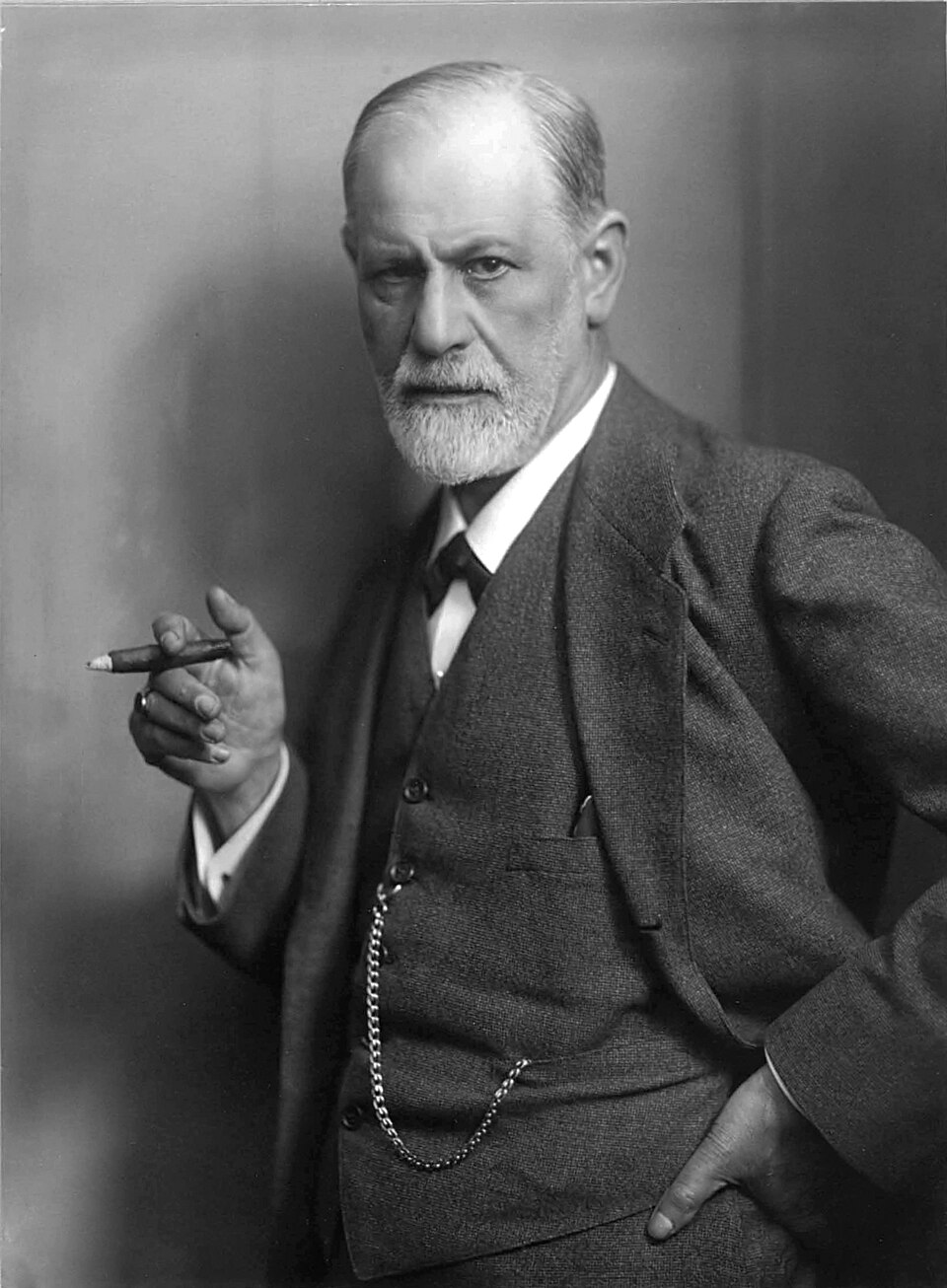
Psychoanalysis · Sigmund & Anna Freud
Unconscious strategies that shield us from uncomfortable emotions: denial, projection (seeing in others what we can't accept in ourselves), rationalisation or displacement.
In everyday life: coming home angry from work and taking it out on someone who isn't to blame is displacement.
Read more →
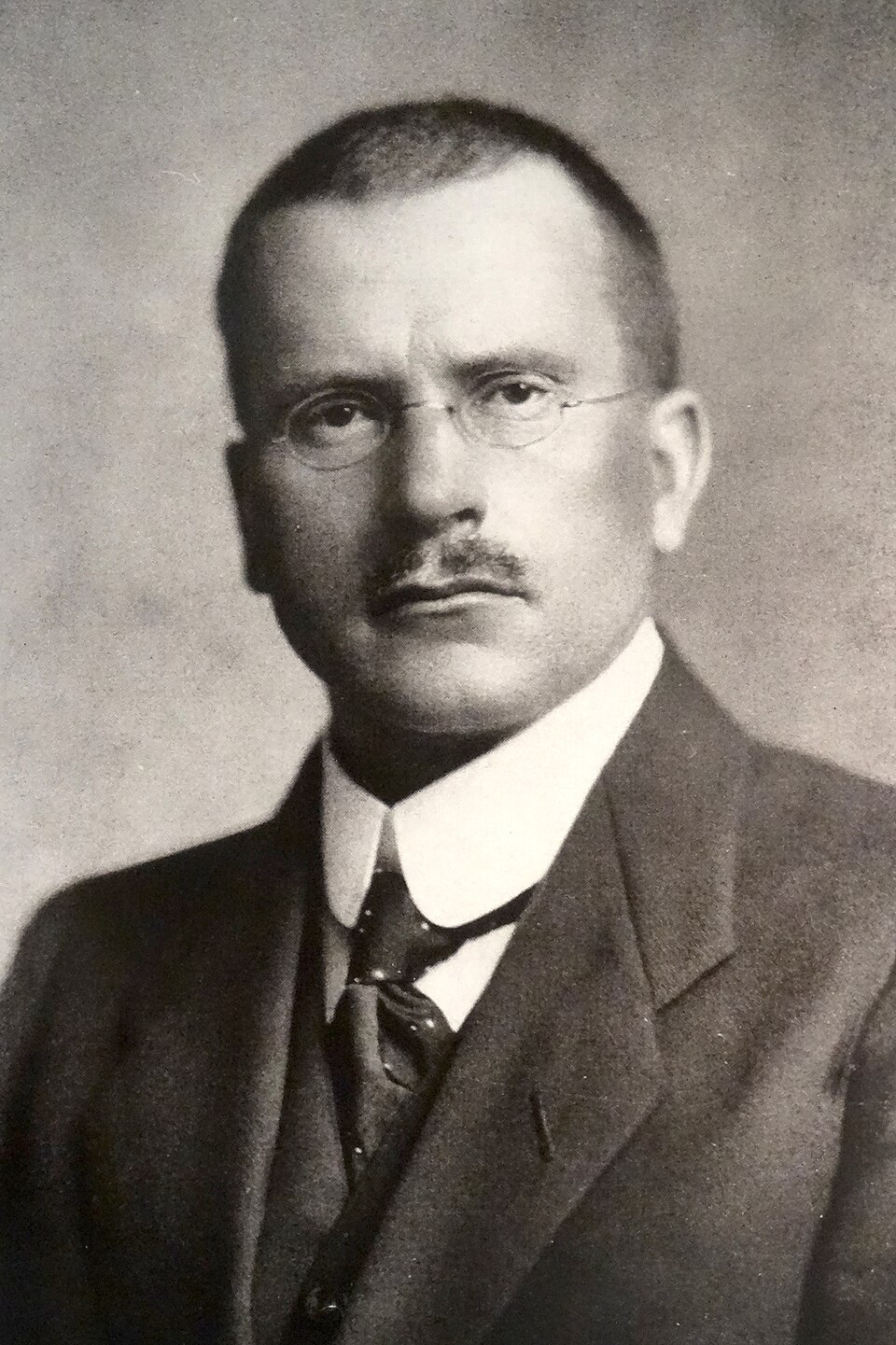
Personality · Carl Jung, 1921
Jung popularised these terms. Introverts direct their energy towards their inner world; extraverts, outwards and towards other people. Almost all of us are somewhere in between.
In everyday life: being introverted isn't the same as being shy. You can enjoy a party and still need a quiet day afterwards.
Read more →
Analytical psychology · Carl Jung
For Jung, the "shadow" is the part of ourselves we reject or would rather not see. Archetypes (the hero, the wise old man, the mother…) would be universal patterns that appear in the myths and stories of every culture.
In everyday life: what irritates you most in other people sometimes says something about what you don't accept in yourself.
Read more →
Your brain
A little neuroscience to understand what's going on in there.
Neuroscience · Donald Hebb, 1949
The brain changes throughout life: connections between neurons strengthen with use and weaken with disuse. Learning and practising literally reshape your brain.
In everyday life: it's never too late to learn a language or an instrument; it just takes consistency.
Read more →
Neuroscience · Wolfram Schultz, 1997
Dopamine isn't exactly "the pleasure hormone". It's more about anticipation and motivation: it spikes with unexpected rewards and drives us to seek them out again.
In everyday life: endless scrolling works because you never know if the next video will be the good one.
Read more →
Neuroscience · Daniel Goleman, 1995
The amygdala detects threats very quickly and can trigger an intense emotional reaction before the prefrontal cortex, the more reflective part of the brain, has time to step in. The term is a popular one, but it describes something we've all experienced.
In everyday life: taking a deep breath and waiting a few seconds before replying to a message that made you angry gives your rational side time to catch up.
Read more →