The shadow and archetypes
One of psychology's most fascinating ideas… and one of the hardest to prove.
Highly influential in culture, art and some therapies, but with very little experimental support. They're best read as a way of interpreting experience, not as proven facts.
Sound familiar?
Luke Skywalker, Harry Potter, Frodo… Very different stories with a similar pattern: an ordinary young person, a wise mentor, a call to adventure and a dark enemy. Coincidence, or something deeper?
What it is
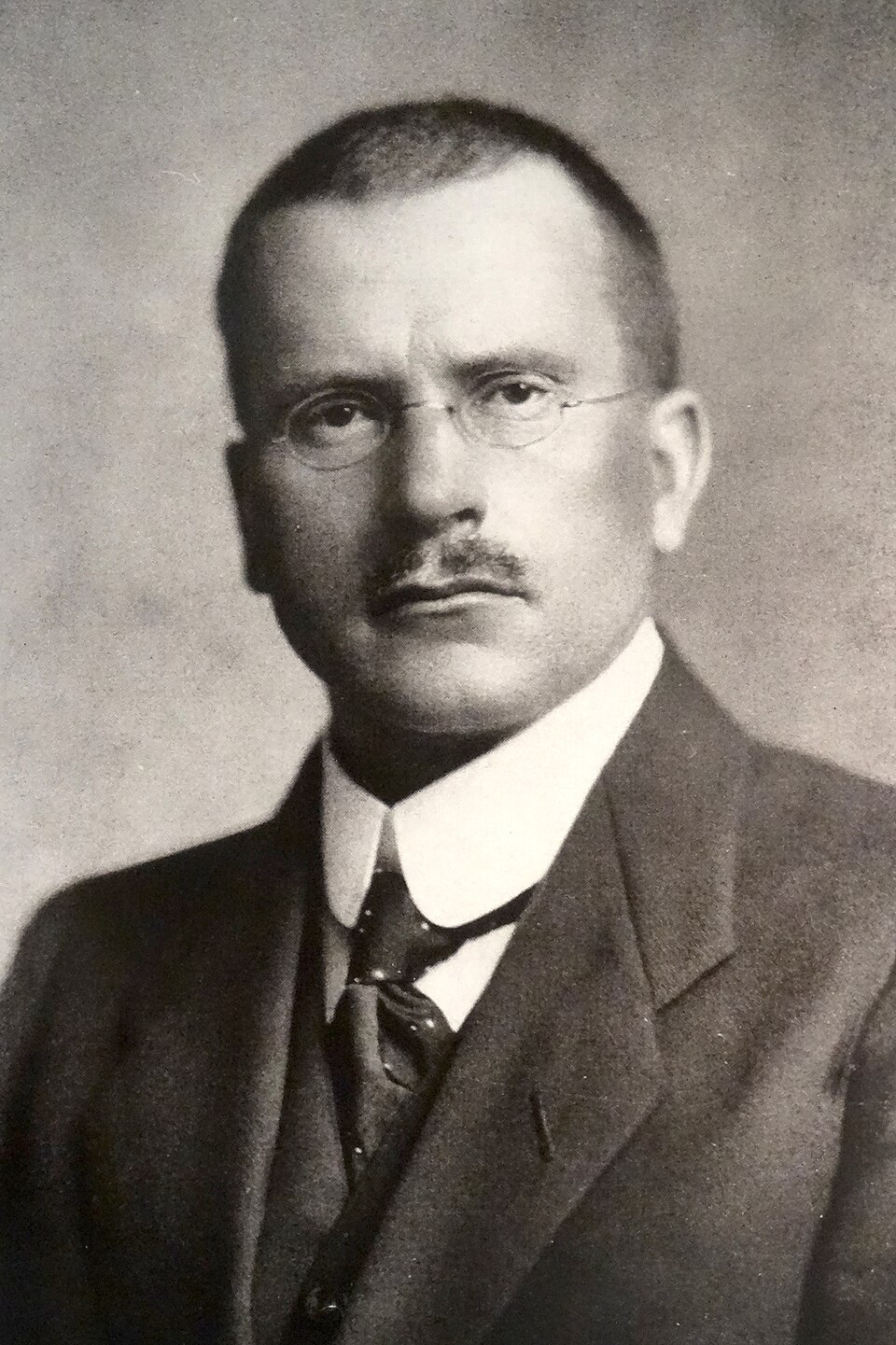
Swiss psychiatrist Carl Jung, who was Freud's protégé before breaking with him, proposed that besides the personal unconscious there is a collective unconscious: a layer of the mind shared by all human beings.1 According to Jung, it contains archetypes, universal patterns that appear in the dreams, myths and stories of every culture: the hero, the wise old man, the great mother, the trickster…
One of the best-known archetypes is the shadow: the part of our personality we don't accept and would rather not see (envy, aggression, selfishness…). For Jung, recognising your own shadow was essential for personal growth.
Can it be tested?
Jung based his ideas on his clinical experience, the analysis of dreams and the comparison of myths from different cultures. But those sources are very hard to test experimentally.
In 1996, psychologist Andrew Neher published a detailed critique of the theory of archetypes.2 His main argument: similarities between myths from different cultures can be explained by the basic experiences all humans share (being born, having parents, facing danger, dying), without assuming an inherited unconscious.
What we know today
The theory of archetypes has little empirical support in today's scientific psychology. Even so, Jung's ideas have had a huge influence on literature, film, advertising and some schools of psychotherapy.
One example of that influence is the Myers-Briggs (MBTI) test, which is based on Jung's psychological types. It's very popular in companies, but researchers have warned about its problems: for instance, many people get a different "type" when they retake the test a short time later.3
Myth vs. reality
Myth "Jung's archetypes are scientifically proven."
Reality They're a thought-provoking tool for reflecting on yourself and the stories we tell, but not a proven fact about how the mind works.
In everyday life
- Use the idea of the shadow to reflect: which traits really bother you in others? Could they have something to do with you?
- Enjoy spotting archetypes in the stories you watch and read, knowing they're one way of interpreting them.
- Be wary of "type"-based personality tests for important decisions.
Sources
- Jung, C. G. (1969). The archetypes and the collective unconscious (2nd ed.; Collected Works, Vol. 9, Part 1). Princeton University Press.
- Neher, A. (1996). Jung's theory of archetypes: A critique. Journal of Humanistic Psychology, 36(2), 61–91. doi.org/10.1177/00221678960362008
- Pittenger, D. J. (2005). Cautionary comments regarding the Myers-Briggs Type Indicator. Consulting Psychology Journal: Practice and Research, 57(3), 210–221. doi.org/10.1037/1065-9293.57.3.210